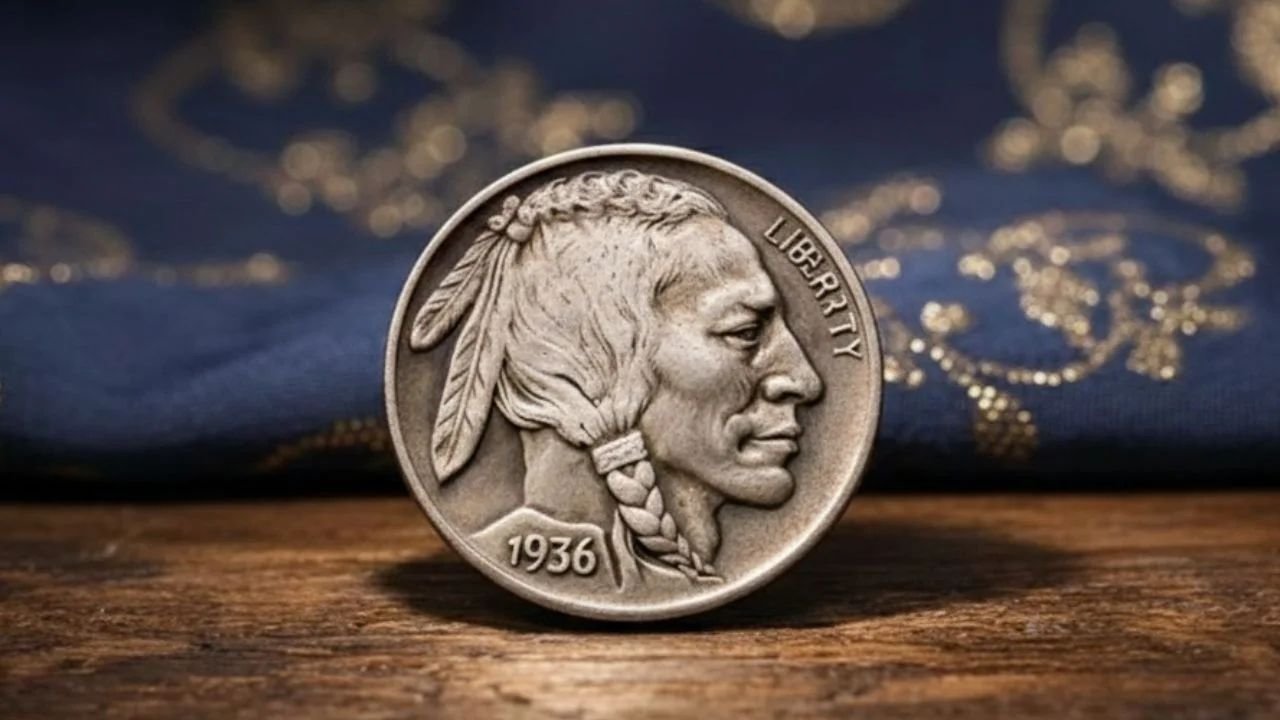
22 Rare Wheat Pennies : There’s a unique magic in sifting through a handful of old coins. For many, the discovery of a Lincoln Wheat Penny—minted between 1909 and 1958—is a direct link to the past. These small copper discs, designed by Victor David Brenner, were the first American coins to honor a real historical figure, President Abraham Lincoln. The reverse design, with its two simple wheat stalks, speaks to a time when America’s heartland was the backbone of the nation. More than just pocket change, these pennies have become cherished keepsakes, carrying stories of the Great Depression, world wars, and a rapidly changing century. In 2026, the passion for finding and preserving these pieces of history is as strong as ever, connecting generations of collectors through a shared sense of discovery.
A Closer Look at Key Dates and Varieties
What elevates a simple penny from a souvenir to a treasure? It’s a combination of history, scarcity, and a little bit of luck. While most Wheat Pennies are common, certain dates and mint marks are the holy grail for collectors. The 1909-S VDB, for instance, tells a story of artistic controversy. The designer’s initials, V.D.B., were placed prominently on the reverse and quickly removed, making the San Francisco version a must-have for its historical significance and low mintage. Similarly, the 1914-D is scarce simply because very few were struck in Denver, making any example, even a worn one, a prized possession.

Then there are the fascinating errors—moments when the massive machinery of the U.S. Mint produced something entirely unexpected. The 1955 Doubled Die Obverse is a perfect example. A misalignment during the die-making process created a dramatic, visible doubling on the date and lettering, turning an ordinary penny into a coveted piece of minting history. The famous 1943 Bronze and 1944 Steel cents are wartime accidents, where a handful of coins were struck on the wrong type of metal planchet, creating multi-million dollar rarities for the lucky few who find them.

Key Information at a Glance
The following table summarizes the essential details every collector should know, from the coin’s physical makeup to the factors that drive its worth in today’s market.

| Attribute | Details |
|---|---|
| Years of Mintage | 1909–1958 |
| Designer | Victor David Brenner |
| Composition | 1909-1942, 1944-1958: 95% Copper, 5% Tin & Zinc |
| 1943 Only: Zinc-coated Steel | |
| Weight | 3.11 grams (Copper issues) / 2.7 grams (1943 Steel) |
| Diameter | 19 mm |
| Mint Marks | Philadelphia (None or occasionally “P”), Denver (D), San Francisco (S) |
| Famous Key Dates | 1909-S VDB, 1914-D, 1931-S |
| Major Error Varieties | 1922 “No D”, 1955 Doubled Die Obverse, 1943 Bronze, 1944 Steel |
| What Determines Value | Mintage figures, the coin’s state of preservation (grade), presence of a mint mark, and any unique errors or varieties. |
| Where to Find Them | In family coin jars, from local coin dealers, at estate sales, on online marketplaces, and through the fun hobby of coin roll hunting. |
| Authentication | Professional grading services like PCGS (Professional Coin Grading Service) and NGC (Numismatic Guaranty Company). |
Starting and Growing Your Personal Collection
The beauty of collecting Wheat Pennies is its accessibility. You don’t need a large budget to begin. Many enthusiasts start by simply looking through their change or asking family members if they have any old coins tucked away. Purchasing a roll of wheat pennies from a local coin shop or online dealer is another affordable way to start. A simple cardboard folder with marked holes for each date and mint mark turns the hunt into a rewarding, long-term project. As your collection grows, you’ll naturally become more attuned to subtle differences in strike, luster, and color—like the difference between a coin that’s “Red,” “Red-Brown,” or “Brown.”
When you’re ready to learn more about a coin’s value, resources like the “Red Book” provide a great baseline, while checking completed sales on auction sites shows what people are actually paying. For any coin that might be a key date or a rare error, professional grading services like PCGS or NGC offer an unbiased opinion. Encasing the coin in a sealed “slab” not only protects it but also gives future buyers confidence in its authenticity and condition.
The Timeless Thrill of the Hunt
Ultimately, the future of Wheat Penny collecting lies in the simple joy of discovery. It’s a hobby that doesn’t discriminate by budget; it rewards patience, curiosity, and a keen eye. Whether it’s the sentimental value of a penny from your birth year, the historical weight of a 1909-VDB, or the quiet satisfaction of filling the last empty hole in an album, these coins offer a tangible connection to the past. As we move further into a digital world, holding a piece of history that was once touched by a soldier, a farmer, or a shopkeeper from a bygone era is a powerful and irreplaceable experience.