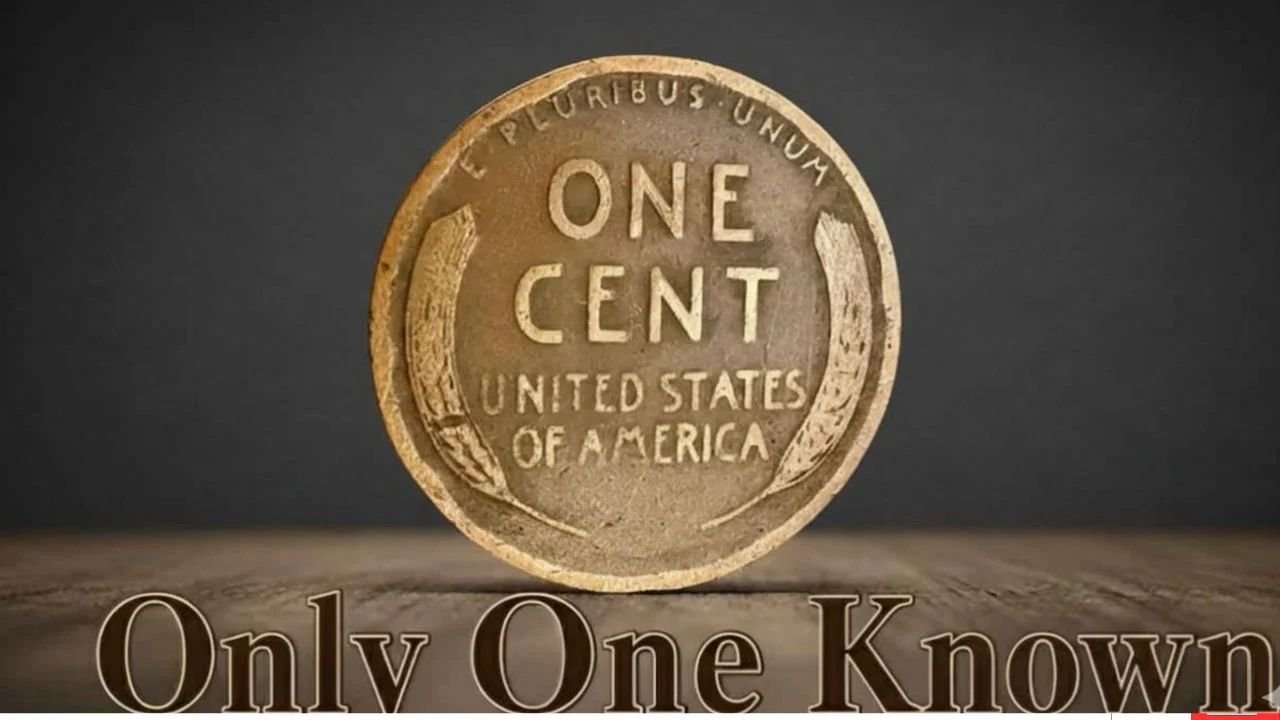
Lincoln Wheat Penny : Imagine finding an old penny in your grandparents’ coin jar that turns out to be worth more than a house. Sounds crazy, right? Well, it’s actually happened before. Some Lincoln Wheat Pennies have sold for nearly a million dollars, and one rare beauty was valued at an incredible $867,000! Let’s dive into the world of these fascinating coins and discover what makes some of them so valuable.
A Coin Born in 1909 That Changed Everything
Before 1909, American coins mostly showed imaginary figures like Lady Liberty. But when the Lincoln Wheat Penny debuted, it broke all the rules. For the first time ever, a real person—President Abraham Lincoln—appeared on a regular U.S. coin. People went wild for it! The design came from a talented sculptor named Victor David Brenner. On the front, you see Lincoln’s portrait. Flip it over, and you’ll spot two pretty wheat stalks framing the words “ONE CENT.” These pennies stuck around through two world wars and the Great Depression, so they’ve got stories to tell.
What Makes a Penny Worth Big Bucks?
Not every old penny will pay for your college tuition. Collectors look for specific things that turn pocket change into treasure. Here’s what they get excited about:
- Rarity matters most – Pennies from certain years (especially 1909-S, 1914-D, and 1931-S) had tiny production numbers
- Condition is everything – A crisp, shiny penny can be worth thousands more than a beat-up one
- Mistakes become gold – When the mint messed up, collectors pay big money for those errors
- History adds value – Coins from wartime years like 1943 carry extra cool factor
The Million-Dollar Mistakes You Need to Know
Some of the priciest wheat pennies exist because something went wrong at the factory. Take the famous 1943 copper penny—during World War II, the mint used steel to save copper for the war effort. But a few copper blanks accidentally got mixed in, and boom! A fortune was born. The 1955 Doubled Die penny shows letters that look blurry and doubled, like when you accidentally move your phone while taking a picture. And the 1922 “No D” penny completely lost its mintmark—super rare and super valuable!

How to Start Your Own Penny Hunt
The coolest part about collecting wheat pennies? Anyone can do it. You don’t need tons of cash to begin this hobby. Many collectors start by asking family members for old coins or even hunting through penny rolls from the bank.
Quick tips for beginner collectors:
- Always handle old coins by the edges—fingerprints damage value
- Store your finds in special holders to keep them safe and dry
- Learn the key dates and mintmarks first (they’re your treasure map)
- Don’t clean old pennies! It actually ruins their value
- Join online coin forums to learn from experienced collectors
- Keep a notebook tracking what you find and where
When to Call in the Experts
Found something that looks special? Before you start dreaming about that $867,000 payday, you’ll want to get it checked by pros. Reputable grading services like PCGS or NGC can officially evaluate your coin and seal it in a protective case. These experts grade coins on a scale from 1 to 70—the higher the number, the better the condition. A professionally graded coin sells for way more than an ungraded one because buyers trust the authentication. Think of it like getting a championship belt for your champion penny!

Lincoln Wheat Penny Quick Facts
| Feature | Details |
|---|---|
| Years Made | 1909 – 1958 |
| Designer | Victor David Brenner |
| What It’s Made Of | Mostly copper (1909-1942, 1944-1958). 1943 pennies are steel with zinc coating |
| Weight | 3.11 grams (except 1943 steel cents at 2.7 grams) |
| Size | 19 mm across (smaller than a dime) |
| Mint Marks | Look under “ONE CENT” on back: “D” = Denver, “S” = San Francisco, no mark = Philadelphia |
| Super Rares | 1909-S VDB, 1914-D, 1922 No D, 1943 Copper, 1955 Doubled Die |
Frequently Asked Questions
Q: How can I check if my wheat penny is worth something?
A: Start by looking at the date and checking for a tiny letter under “ONE CENT” on the back. Then compare it to lists of rare dates online. If you have a 1943 penny, see if a magnet sticks—if it doesn’t, you might have the rare copper version. For real value, ask a coin dealer or check recent auction sales.
Q: Can I still find wheat pennies in my change today?
A: It’s tough but totally possible! People find them in old coin jars, at garage sales, and yes, even in pocket change sometimes. They’re usually pretty worn down, but finding any wheat penny feels like winning a tiny lottery.
Q: What does “graded” mean and why should I care?
A: Grading is when experts examine your coin and give it a score from 1 to 70 based on condition. Think of it like getting a report card for your penny. Higher grades = more money. Coins graded by trusted companies sell for way more because buyers know they’re real and exactly what condition they’re in.

Q: Which wheat penny is the most valuable ever sold?
A: The record-breaker is a 1943 bronze penny that sold for over $1.7 million! Only a handful exist. The $867,000 coin you hear about is usually a perfect-condition example of another super-rare variety, like a pristine 1909-S VDB or 1914-D in amazing shape.
Q: Should I clean an old penny I found?
A: Never ever clean it! I know it’s tempting to make it shiny, but cleaning actually scratches the surface and destroys value. Collectors want original “patina”—that natural look a coin gets over time. Just gently rinse in distilled water if really dirty, but ask an expert first.
Q: Is penny collecting a good way to make money?
A: Collect because it’s fun and interesting, not because you’ll get rich quick. Some rare coins do increase in value over time, but the market goes up and down like everything else. The best part is learning history, hunting for treasures, and maybe—just maybe—finding something amazing in a surprising place!
The Bottom Line on Wheat Pennies
The Lincoln Wheat Penny proves that amazing things come in small packages. These little coins connect us to American history in a way few objects can. Whether you’re checking your piggy bank or browsing at a coin shop, each wheat penny carries a story from the past. For young collectors just starting out, they offer the perfect mix of history, mystery, and the thrill of the hunt. Who knows? That old coin in your drawer might be worth a whole lot more than one cent!